


How to Choose a Leadership Keynote Speaker (Tech Events)
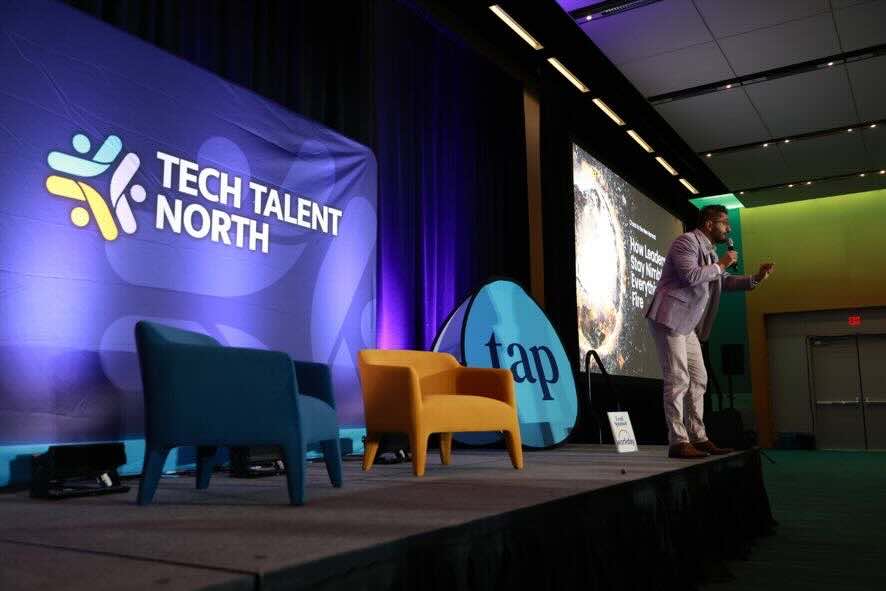
Your tech conference is in five months. You have one keynote slot, a five-figure budget, and 400 founders, engineering managers and operators who will judge your event partly on how those 45 minutes go. Choose well, and people quote the talk in Slack for months. Choose badly, and you’ve paid $20,000 for a live LinkedIn post.
Every leadership keynote speaker has a great sizzle reel. Sizzle reels are made of the best 90 seconds of someone’s career. Your job is to figure out what the other 44 minutes look like, and most booking guides won’t tell you how.
As a Certified Speaking Professional (CSP®), I’ve spoken on more than 400 stages, from tech conferences to associations, corporate events and government. That’s taught me what organizers do that sets a speaker up to win, and what sets them up to fail. This guide gives you the vetting questions that expose weak speakers fast, the red flags I’d never ignore, and how to brief your speaker so the talk lands. If you want to see how I structure my own talks, my keynote topics show the format, but the advice below applies to anyone you book.
Start With the Job You Need the Talk to Do
Most organizers start by listing famous names. Wrong order. Start by writing one sentence: “When this talk ends, I want the audience to ______.”
Your answer tells you what kind of speaker to look for:
- Feel energized? You need an opener.
- Rethink how they lead their teams? You need a substance talk.
- Walk out with a tool they use Monday? You need a workshop-style keynote.
These are different skills, and very few speakers do all three well.
Tech audiences set a brutal bar. Your attendees are founders, engineering managers, and operators who smell fluff instantly. Generic “10 traits of great leaders” content dies in front of them. They respond to pattern-level insight backed by data, the way stories about Bill Gates’ leadership style land harder when they decode the why, not just the what. If you’re still choosing a theme, we cover the topics that work for scale-up audiences in a separate guide.
Know the Fee Math Before You Fall in Love
Fees are the first shock for new organizers. We’ve laid out current fee tiers, from entry-level speakers to celebrity names, in our guide to choosing a leadership keynote speaker. What that table can’t show you is where budgets leak and where fees bend.
Watch the add-ons, because the speaking fee rarely covers everything:
CAG Speakers estimates that travel, meals and AV add roughly 10 to 20 percent to the base fee. One cost you don’t need to budget for: a bureau’s commission, typically 20 to 30 percent, usually comes out of the speaker’s fee rather than being added on top of it.
Fees also bend more than a rate card suggests. The National Speakers Bureau notes that speakers often reduce rates for events booked well in advance. It’s also worth asking whether a testimonial video or a keynote-plus-workshop bundle changes the number. Speakers value full rooms and great footage almost as much as the cheque.
The Five Questions That Expose a Weak Speaker
Skip “tell me about your speaking experience.” Ask these instead, on a live call, and watch how they answer.
1. “Can I see 20 unedited minutes of a real talk?”
The reel won’t tell you much, so ask for raw footage. A strong speaker sends it within a day. A weak one negotiates. You’re checking pacing, audience energy in the wide shots, and whether the stories hold up without jump cuts.
2. “How will you customize this for our audience?”
The right answer includes questions back at you: Who’s in the room? What stage are their companies? What happened in your industry this year? Every booking I take includes a briefing call before the event, because a talk aimed at nobody hits nobody. If a speaker’s “customization” is swapping your logo onto slide two, keep looking.
3. “What will the audience do differently on Monday?”
This one separates entertainers from educators. Great leadership talks are built on real frameworks, the speaker’s own, with research behind them. Mine draw on the Six Levels of High-Performing Teams and The David Playbook, and the strongest speakers you interview will have an equivalent: a named model, with evidence, that survives contact with a skeptical CTO.
4. “Can I talk to two organizers who booked you in the last year?”
References beat testimonials. Testimonials are curated. A 15-minute call with a past organizer tells you about the soundcheck no-show, the Q&A that ran long, the rider drama. Ask them one question above all: “Would you book this person again at full price?”
5. “What do you need from us to do your best work?”
Pros have a crisp answer: attendee context, AV specs, a walk-through time, who’s on stage before them. Vague answers here predict day-of chaos.
Red Flags I’d Never Ignore
If you see any of these, keep looking:
Give Your Speaker What They Need to Win
Choosing well is half the outcome. The other half is setup, and it’s on you.
Three weeks out, send a one-page brief: audience roles and company stages, three themes from your community this year, and the one sentence you want the talk to accomplish. Offer a 20-minute call with two or three attendees. The best speakers will take you up on it and quote those conversations from stage, and that’s the moment your audience decides this talk was built for them.
On the day, protect the walk-through. A speaker who has stood on your stage, tested the clicker, and heard their intro will outperform the same speaker going in cold. Cheap insurance.
And protect the slot itself. I once travelled 22 hours to a keynote in Florida. The event’s schedule had shifted into the afternoon, and 15 minutes before I was due on stage, the organizer told me there wasn’t enough time left, so the keynote was cancelled. I offered a shorter version. They said no. In 10 years of speaking internationally, it’s the only time that’s happened to me. If your agenda slips, cut a panel, shorten a break, or ask your speaker for a tighter version. Keep the session the day was built around.
Canadian tech rooms show why this prep matters. They’re packed with operators who’ve studied the same famous Canadian entrepreneurs your speaker might reference. Specificity wins those rooms. Preparation buys specificity.

Treat the Talk as the Start
A great keynote isn’t the finish line of your event. It’s the ignition for everything after: the hallway conversations, the workshop signups, the “we need to fix this on our team” messages to you in the weeks that follow.
So choose a keynote speaker the way your attendees choose to spend their attention: ruthlessly, on evidence, with a bias for substance over shine. Write the one-sentence outcome. Run the five questions. Walk away from the red flags, even when the reel is gorgeous.
Your audience gives you 45 minutes of collective attention. That’s 300 human-hours in a 400-person room. Spend it like it’s your own.
Planning a tech conference? Book Fahd for your keynote, or watch real talks in the video library first.
Frequently Asked Questions:
Now that you have mastered how to manage conflict - what is your plan of action for making an impact with your team?
Now that you have mastered how to create an environment of empowerment via the 3-P's - what is your plan of action for making an impact with your team?
Developing Your Communication, Empathy and Emotional Intelligence skills is start. What is your plan of action for implementing your learnings within your your team?
Now that you understand the differences in these titles - what is your plan of action for what you learned?
Assessing your team's behaviors is a start - but do you have a plan of action for the results?
Now that you have mastered the art of decision making - what is your plan of action for making an impact with your team?

A DISC Behaviour Assessment is the best way to understand your team's personalities.
Each DISC Assessment includes a Self Assessment and DISC Style evaluation worksheet


